The Evolution of Car Tuning – From the 80s to the Present. Car tuning, while not as old as the history of motoring itself, has certainly undergone an interesting transformation from the 1980s to today. While the first vehicle modifications took place as early as the 1920s and 1930s, tuning didn’t gain widespread popularity until the 1980s. So, how have tuning trends and technologies evolved over the years?
The Origins of Car Modifications – Where Did Tuning Begin?
The first car modifications began in the 1920s and 1930s, when people started experimenting with engine improvements and enhancing driving performance. Car tuning, as we know it, truly took off in Japan, where car enthusiasts began modifying their vehicles to boost their performance. In the United States, car modification became a part of mass culture, especially after World War II, thanks to the rise of drag racing, which served as the perfect platform for expressing individuality.
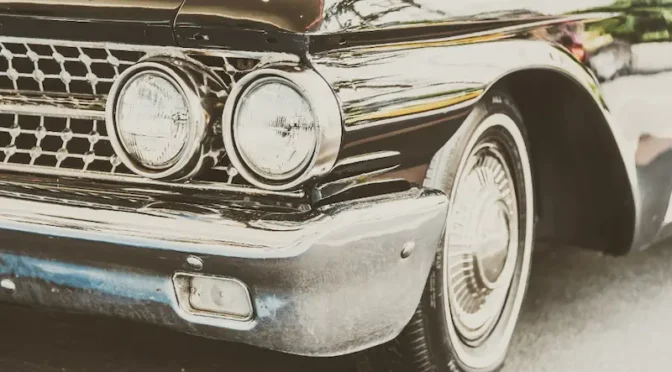
One of the first cars to become an icon of tuning was the Ford Model T, known as the “Tin Lizzie”. Due to its simple design, it was an ideal candidate for modifications.
Car Tuning – The 80s and 90s
In the 1980s, car tuning was primarily focused on the visual aspects of the vehicle. Owners customised their cars with flashy paint jobs, neon lights, and elaborate body kits, all as a way to express their individuality. However, in the 1990s, the approach to tuning began to shift. There was a growing emphasis on improving a car’s performance.
During this period, the drifting culture in Japan gained popularity, which significantly influenced the rise of mechanical modifications. Car owners of models like the Toyota Supra and Nissan Skyline aimed to increase engine power and enhance handling, making these cars icons of tuning.
In Poland, modifications were commonly done on domestic cars, such as the Fiat 126p (known as “Maluch”). Popular upgrades included installing sports exhaust systems, alloy wheels, and replacing seats with bucket-style racing seats.
The Evolution of Car Tuning – Trends and Technologies
Over the years, tuning trends have shifted dramatically. In the 80s and 90s, the focus was mainly on visual modifications, with tuning being a way to stand out and express one’s personality through the car’s appearance. Bold colours, neon lights, and aggressive body kits were all the rage.
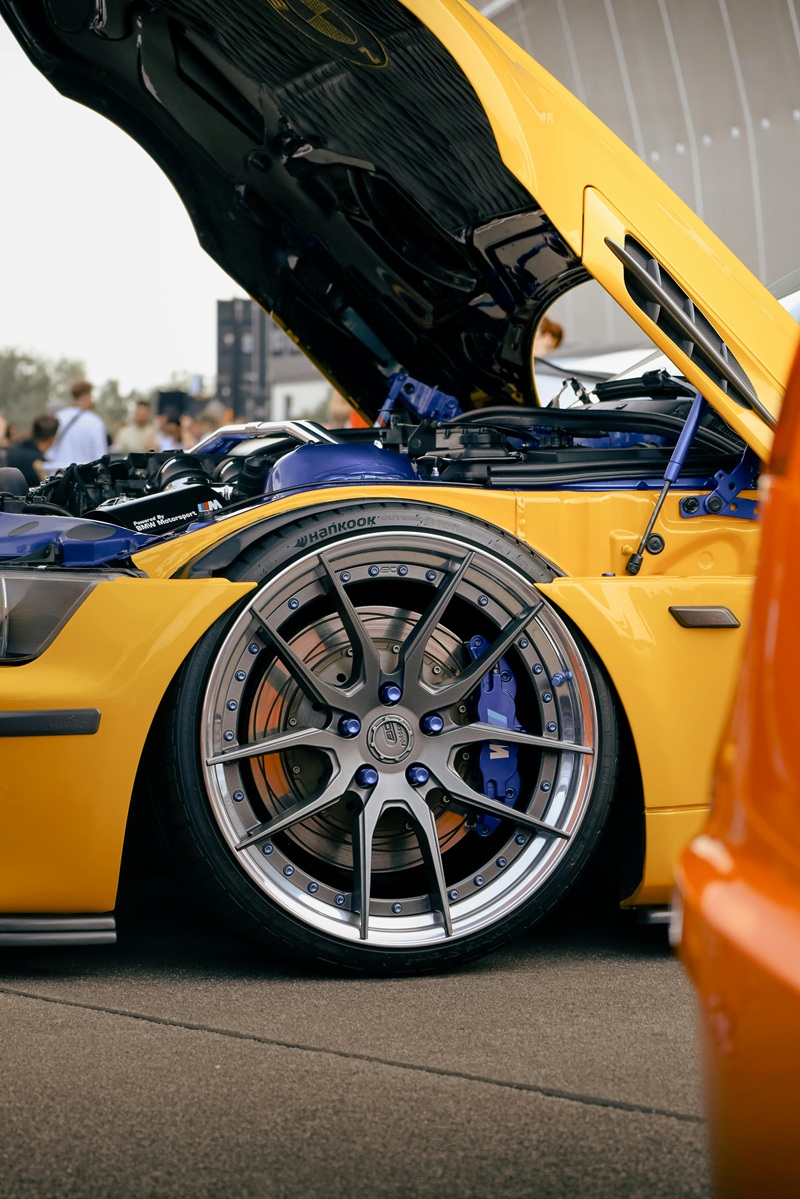
Today, however, with advancements in technology, car tuning has shifted towards enhancing performance and functionality. Chiptuning, suspension upgrades, and the installation of turbochargers are the most common modifications made by modern tuners. Visually, cars have become more understated, with subtle and minimalist changes taking centre stage.
Contemporary tuning is also significantly more expensive than in the past. The cost of comprehensive modifications can run into tens of thousands of pounds, making tuning a more exclusive pursuit.
In conclusion, car tuning has undergone a long journey from the 80s to the present. What started as a form of self-expression through visual modifications has evolved into a focus on improving performance, comfort, and functionality. Today’s tuning combines technology, precision, and aesthetics.