These days, car tuning looks very different from how it did just a few decades ago. Modern performance vehicles no longer require mechanical modifications to boost engine power – instead, specialised computer software can do the job. Here’s a closer look at what engine tuning (particularly chiptuning) involves and how it can safely enhance your vehicle’s performance.
What Is Chiptuning?
Many sports car owners eventually decide to modify their engine to unlock more power. One of the most popular methods today is chiptuning – an electronic form of engine tuning that doesn’t require physical changes to the engine components.
Chiptuning works by connecting a computer with dedicated software to the car’s engine control unit (ECU). This allows for the adjustment of key parameters such as:
-
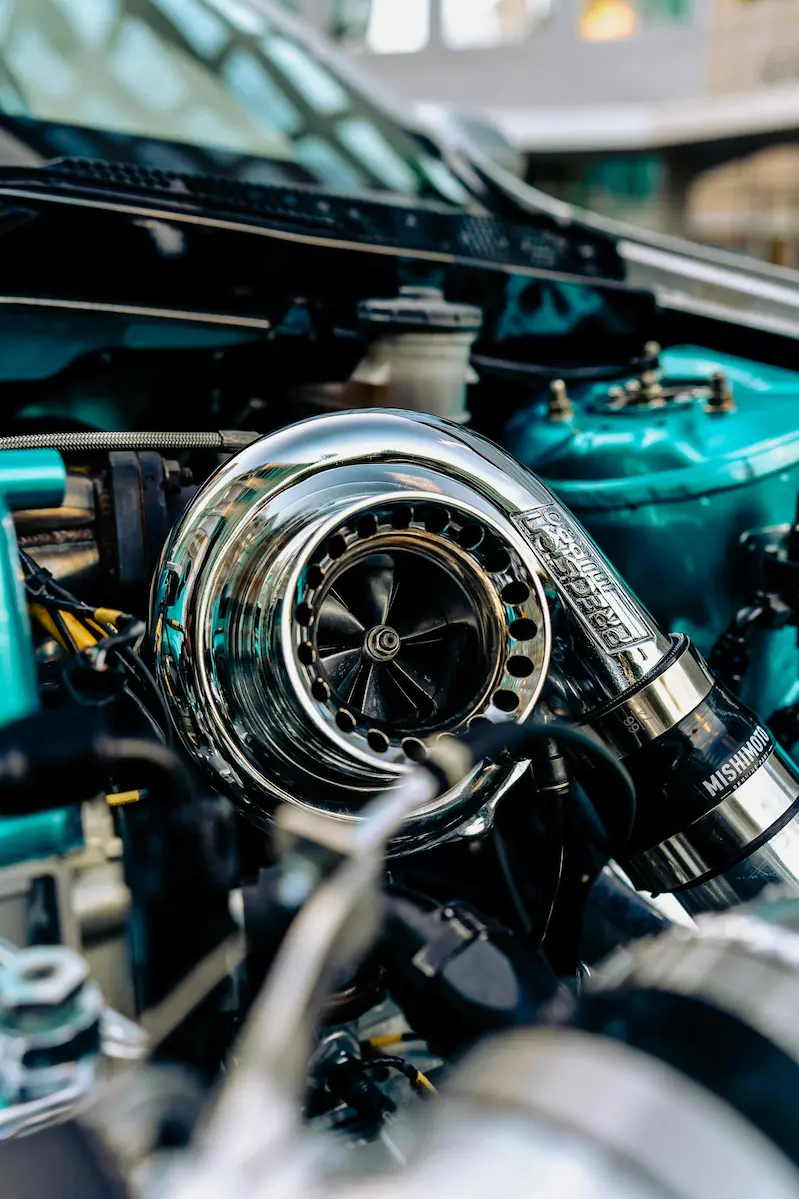
turbo boost pressure,
-
ignition timing,
-
fuel injection levels.
These adjustments can significantly increase engine performance without compromising reliability – provided the process is carried out by a qualified professional.
To perform chiptuning, access is required to the vehicle’s diagnostic ports (OBD or CANBUS), or in some cases, it may be necessary to desolder and reprogram the ECU’s EPROM chip.
Is Electronic Engine Tuning Safe?
In modern sports cars, software-based engine tuning is generally considered completely safe – as long as it’s done properly. The key is not to overdo it. Increasing engine output too much can lead to excessive wear. As a rule of thumb, a safe increase is around 10–20% over the engine’s factory performance.
Pushing beyond that limit could result in premature wear of critical components like the crankshaft, potentially leading to expensive repairs.
What Are the Benefits of Chiptuning?
Reprogramming the engine’s ECU brings several advantages, including:
-
a 20–30% power boost in turbocharged engines,
-
up to a 10% increase in naturally aspirated engines,
-
improved fuel economy under normal driving conditions,
-
better engine responsiveness and overall efficiency,
-
enhanced driveability, especially in demanding road conditions.
Increased power and torque not only boost performance but also improve the overall driving experience, making the car feel livelier and more enjoyable to drive.
When Does Mechanical Engine Tuning Make Sense?
Mechanical tuning is usually only worthwhile if you’re planning a major power increase – typically more than 100 additional horsepower. In such cases, software alone won’t be enough, and some engine components will need to be upgraded or replaced.
This could include:
-
pistons,
-
crankshaft,
-
carburettor (in older vehicles),
-
piston rings,
-
valves,
-
gaskets and engine cover.
Failing to upgrade these parts when significantly increasing power can lead to engine damage – and repairs could cost thousands of pounds.